Overview
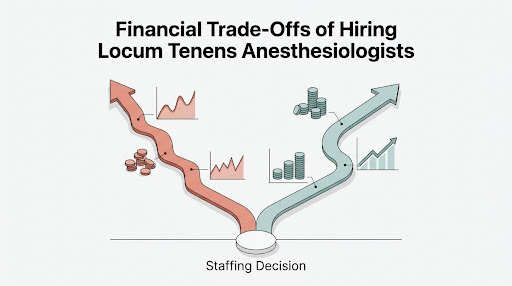
Hospitals today are under constant pressure to manage rising costs while keeping surgical operations running without interruption. Anesthesia coverage sits right at the center of that challenge.
When staffing gaps appear, facilities often turn to flexible solutions. One of the most common options is bringing in a locum tenens anesthesiologist to maintain continuity. On the surface, this can seem like a more expensive approach compared to full-time staffing. But the real financial picture is more complex.
This is where platforms like 1MAC Anesthesia are helping hospitals take a more structured view of staffing costs. Instead of focusing only on hourly rates, facilities are beginning to evaluate the broader financial impact of coverage decisions. The key question is not just what staffing costs, but what instability costs.
Understanding the True Cost of Staffing Gaps
Before evaluating the cost of hiring a locum tenens anesthesiologist, it is important to understand what happens when positions remain unfilled.
- Delayed or canceled procedures
- Reduced operating room utilization
- Increased overtime for existing staff
Each of these outcomes carries a financial impact that is not always immediately visible.
How Locum Tenens Anesthesiologists Fit into Cost Strategy
Hiring a locum tenens anesthesiologist provides hospitals with the ability to maintain coverage without committing to long-term employment costs.
This flexibility allows facilities to:
- Fill short-term gaps quickly
- Support peak demand periods
- Maintain consistent surgical schedules
While the per-day or hourly rate may be higher, the value lies in preserving operational continuity.
Comparing Fixed Costs vs Flexible Costs
Full-time staffing comes with fixed expenses, including salaries, benefits, and long-term commitments. These costs remain constant regardless of fluctuations in surgical volume.
In contrast, hiring a locum tenens anesthesiologist introduces variable costs that can be adjusted based on need.
🏛️ Fixed Staffing
Provides stability with predictable costs. Salaries, benefits, and long-term commitments regardless of surgical volume fluctuations.
⚡ Flexible Staffing
Provides adaptability with variable costs that can be adjusted based on actual demand. Ideal for gaps and peak periods.
Hospitals that rely only on one model often struggle to manage both cost and coverage effectively. A blended approach allows facilities to align staffing expenses more closely with actual demand.
How 1MAC Anesthesia Helps Optimize Financial Decisions
This is where 1MAC Anesthesia provides a practical advantage. Instead of relying on traditional staffing systems, 1MAC allows hospitals to access providers through a more flexible and transparent process.
At 1MAC Anesthesia, facilities can:
- Connect with a locum tenens anesthesiologist when coverage is needed
- Avoid delays that lead to lost revenue
- Adjust staffing levels without long-term commitments
- Maintain consistent operations without overextending budgets
The Risk of Over-Reliance on Permanent Staffing
Some hospitals avoid locum staffing due to cost concerns and instead rely heavily on permanent hires. While this may seem cost-effective at first, it can create other financial challenges:
- Overstaffing during slower periods
- Increased burnout leading to turnover
- Higher recruitment and onboarding costs
Balancing Cost with Operational Stability
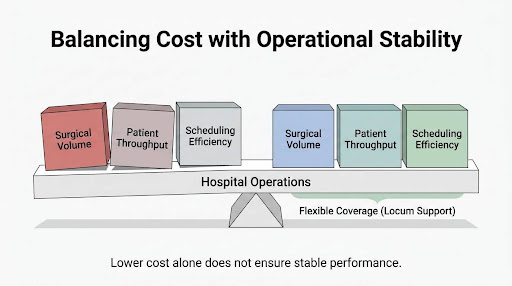
Financial decisions in healthcare are closely tied to operational performance. A lower staffing cost does not always mean better financial outcomes if it leads to:
- Reduced surgical volume
- Increased delays
- Lower patient throughput
Maintaining stability often requires investment in flexible solutions. Hospitals that incorporate locum tenens anesthesiologist coverage into their strategy are better equipped to maintain consistent performance without sacrificing financial control.
Long-Term Financial Benefits of Flexible Staffing
While locum staffing may appear more expensive in the short term, it often delivers long-term benefits. These include:
- Improved operating room utilization
- Reduced risk of revenue loss from cancellations
- Lower burnout and turnover costs
Making Smarter Staffing Decisions
The financial trade-offs of hiring a locum tenens anesthesiologist are not simply about comparing hourly rates. They involve evaluating:
- The cost of unfilled positions
- The impact of operational disruptions
- The value of maintaining consistent coverage
Hospitals that take a comprehensive approach are better positioned to balance cost and performance. Platforms like 1MAC Anesthesia support this approach by providing access to flexible staffing options that align with real-world demand.
Frequently Asked Questions
Take Control of Staffing Costs Without Compromising Coverage
Hospitals no longer need to choose between managing costs and maintaining reliable anesthesia coverage. With the right strategy, both goals can be achieved.
At , facilities can access a locum tenens anesthesiologist when needed, helping maintain stability while controlling long-term expenses. In today's healthcare environment, financial efficiency is not just about reducing costs — it is about making decisions that support consistent operations.